
Best all-time movies. 2012 edition


Vertigo by Alfred Hitchcock has been named “best all-time film” beating Citizen Kane by Orson Welles, according to the latest survey by the magazine Sight and Sound Festival of British Film (BFI). This specialized publication conducts such surveys every ten years and the film directed by Welles had occupied the top spot on the list of the top 50 films over the past five decades. In the last survey, the experts placed in first position Vertigo , the thriller directed by the British director in 1958, surpassing by 34 votes to Citizen Kane , and not included in the list any film shot in the last decade. Those experts in films, a total of 846 distributors, critics, academics and writers, were asked to rate the work according to their importance in film history, their findings aesthetic or the impact it had every film on a personal level in based on their own vision of cinema.
With a cast that includes actors like James Stewart and Kim Novak, Vertigo is about a retired police officer, Scotty Ferguson, who is afraid of heights. In the latest survey the magazine conducted a decade ago, the Hitchcock movie, the British director himself referred to as his “most personal film,” had been only five votes to Citizen Kane (1941). Of these two movies
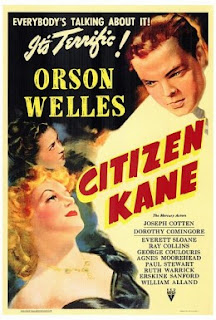
I loved Vertigo and I love that it got the title of the best movie. As with Welles’s film, Vertigo received mixed reviews when it opened but has gained prestige over time. In the classification of BFI, Yasujiro Ozu’s film Tokyo Story (1953) went from fifth to third place, while La Regie du Jeu (1939) by Jean Renoir lost a position until the fourth.
Among the top ten films were two new entries: Man With a Movie Camera (1929) by Dziga Vertov, at number eight, and The Passion Of Joan Of Arc (1927) by Carl Theodor Dreyer, in ninth position. Is surprising how many movies of before the 30’ are in the top ten, and not even one of beyond the 70’. Probably many of us have not seen many of these movies even many of us see a lot of movies, in my case at least one for very 3-4 days, but today’s mindset probably is not prepared for this kind of old good movies, maybe all these critics are stuck in time. Of the selected works, the most recent was 2001: A Space Odyssey (1968) by Stanley Kubrick, in sixth place.
Thanks for reading!
[
Jack Reacher: Never Go Back](https://www.amazon.com/dp/B01LXFBBNV?tag=hubacct4277-20&linkCode=ogi&th=1&psc=1)
The Complete Top 10
For reference, the full 2012 Sight and Sound top 10 greatest films of all time:
- Vertigo (1958) — Alfred Hitchcock
- Citizen Kane (1941) — Orson Welles
- Tokyo Story (1953) — Yasujirō Ozu
- La Règle du Jeu (1939) — Jean Renoir
- Sunrise: A Song of Two Humans (1927) — F.W. Murnau
- 2001: A Space Odyssey (1968) — Stanley Kubrick
- The Searchers (1956) — John Ford
- Man with a Movie Camera (1929) — Dziga Vertov
- The Passion of Joan of Arc (1927) — Carl Theodor Dreyer
- 8½ (1963) — Federico Fellini
The dominance of pre-1970 cinema in this list reflects the criteria used by critics — historical importance and aesthetic innovation tend to favor films that fundamentally shaped the medium. Directors like Hitchcock and Ozu developed techniques in framing, editing, and narrative structure that remain foundational to filmmaking today.
Why These Rankings Matter
The Sight and Sound poll, conducted every ten years since 1952, serves as the closest thing cinema has to an authoritative canon. Its influence extends into film school curricula, restoration priorities, and streaming platform curation. When Vertigo displaced Citizen Kane in 2012, it represented a shift in critical values — from admiring technical innovation and narrative ambition (Kane) toward appreciating emotional depth and obsessive visual craftsmanship (Vertigo). The 2022 poll would later name Jeanne Dielman as the new number one, continuing the tradition of rewriting hierarchies each decade.
The absence of any post-1970s film in the 2012 top ten raises a legitimate question about recency bias in reverse — whether these polls inherently favor older films because age grants an aura of historical importance. A film from 2005 simply has not had enough decades of critical reassessment to accumulate the canonical weight that a 1958 film carries. Whether that makes the list a measure of actual quality or merely longevity remains an open debate among cinephiles. Notably, the directors’ parallel poll (separate from the critics’ vote) placed 2001: A Space Odyssey at number one, suggesting that working filmmakers value technical ambition differently than academic critics. The divergence between the two polls reveals how context shapes canon — those who make films prioritize craft innovation, while those who study them emphasize cultural significance and thematic depth.
Opinion
What you think, which is the best all-time movie?
- 33% Vertigo
- 67% Citizen Kane
- 0% Other (Specify in comments)
3 people have voted in this poll.


